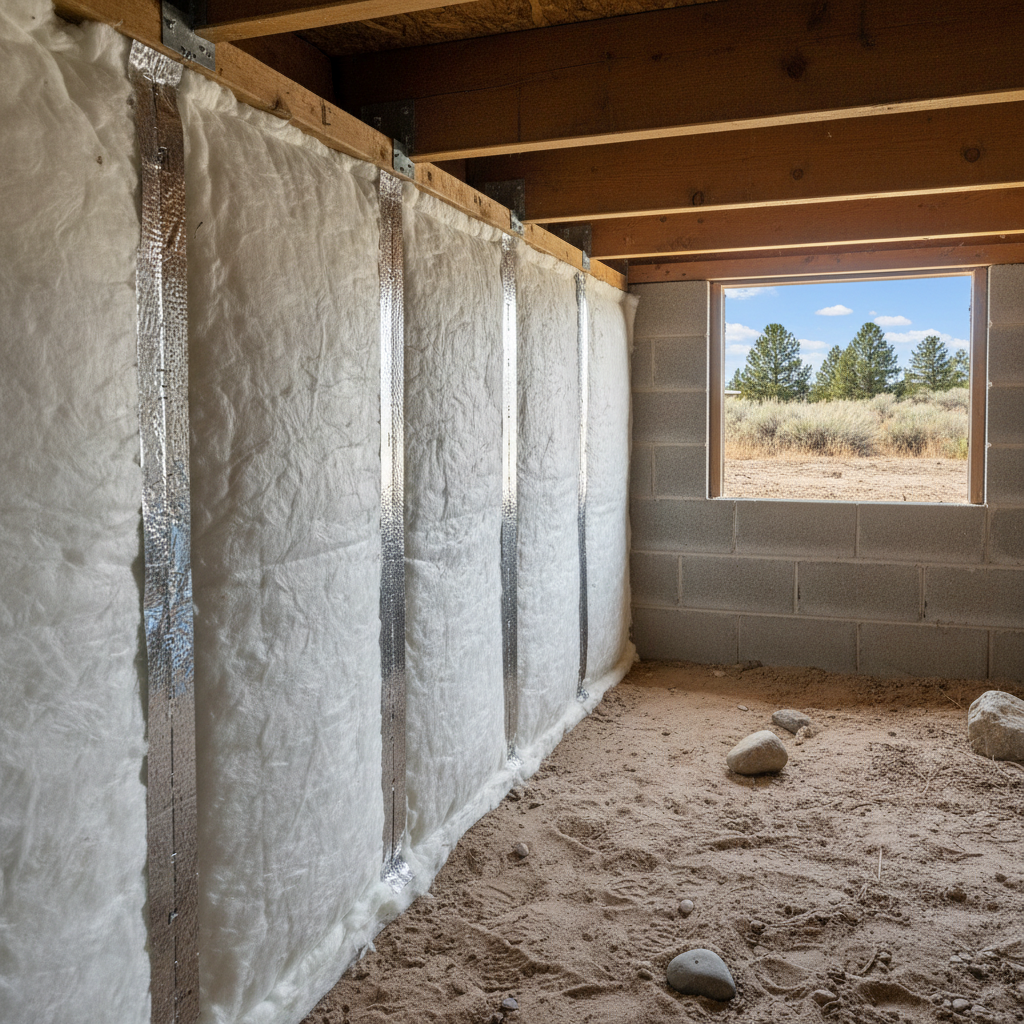
Your crawl space is probably the last place you want to hang out, but what's going on down there has a huge impact on your whole house. Especially here in Eagle, with our cold winters and hot summers, an uninsulated or poorly insulated crawl space can be a real energy hog and a comfort killer. So, let's talk about crawl space insulation: what you need to know, and when you can roll up your sleeves versus when to pick up the phone.
Before You Start: The Inspection
Before you even think about insulation, you've got to get down there and see what's what. This isn't just about spotting old insulation; it's about checking for bigger problems. I've seen it all in crawl spaces around Eagle, from standing water to critter infestations. Here's what you're looking for:
- Moisture: This is a big one. Any standing water, damp soil, or visible mold means you've got a moisture problem that needs fixing first. Insulating over moisture is like putting a band-aid on a broken leg; it'll just make things worse, trapping humidity and encouraging mold growth. You might need a vapor barrier, better drainage, or even a dehumidifier.
- Critters: Mice, rats, raccoons, even snakes love a cozy, dark crawl space. If you find droppings, nests, or chewed-up insulation, you've got uninvited guests. You'll need to seal up entry points and deal with the critters before insulating.
- Damaged or Missing Insulation: Is the old stuff falling down, wet, or just gone? That's a clear sign you need new insulation.
- Air Leaks: Look for gaps around pipes, wires, and foundation penetrations. These are direct pathways for outside air to get in.
Seriously, don't skip this step. If you're not comfortable crawling around in there, or if you find significant issues, that's your first sign to call a pro. They've got the gear and the know-how to safely assess the situation.
Your DIY Checklist: What You Can Tackle
Okay, so you've inspected, and things look pretty good – maybe just some old, saggy insulation or a few air leaks. Here's what a handy homeowner can realistically do:
- Clean-Up: If there's old, dry insulation that's just fallen down, you can often remove it yourself. Wear a good respirator, gloves, and protective clothing. Bag it up tightly. If it's wet or moldy, though, that's when you might want to reconsider DIY and call someone who specializes in remediation.
- Air Sealing: This is huge, and it's definitely something you can do. Grab some expanding foam sealant (for larger gaps) and caulk (for smaller cracks). Go around every penetration – plumbing pipes, electrical conduits, ductwork – and seal up those gaps. Don't forget the sill plate where your foundation meets your framing. This alone can make a noticeable difference in drafts and energy bills.
- Vapor Barrier Installation (if needed): If your crawl space floor is just dirt, you absolutely need a vapor barrier. You can lay down heavy-duty (6-mil or thicker) polyethylene sheeting over the entire ground surface, overlapping seams by at least 12 inches and taping them. Extend it up the foundation walls a few inches. This stops ground moisture from evaporating into your crawl space and house. It's a bit of a pain, but totally doable.
For these tasks, you're looking at a weekend project, some elbow grease, and a trip to the hardware store. It's rewarding, and you'll save some cash.
When to Call a Pro: It's Worth It
Now, for the stuff that's usually best left to the experts. This is where companies like Aim High Insulation come in. We've got the equipment, the training, and the experience to do it right and safely.
- Any Major Moisture Issues: If you've got standing water, significant mold, or persistent dampness, you need professional remediation first. Insulating over these problems is a waste of money and can create serious health hazards.
- Extensive Insulation Installation: Installing new insulation, especially if you're going for spray foam or rigid foam boards, is tricky. Spray foam requires specialized equipment and training to apply correctly and safely. Blown-in insulation also needs specific machinery. If you're insulating the subfloor (between the joists) with batts, it's doable for DIY, but if you're encapsulating the crawl space (insulating the walls and sealing it off), that's a much more involved process.
- Ductwork Issues: If your ducts run through the crawl space, they might need sealing or insulating too. This can be complex, especially if they're leaky or poorly designed.
- Critter Infestations: If you've got a serious critter problem, you'll want pest control professionals to handle that before anyone goes in to insulate.
- Limited Access or Hazardous Conditions: Some crawl spaces are just too tight, too low, or too messy for a comfortable DIY job. If it feels unsafe or impossible to move around, don't risk it.
Look, I'm all for saving a buck where you can, but some jobs are just too important to cut corners on. A properly insulated and sealed crawl space means a warmer, drier, more comfortable home, lower energy bills, and fewer worries about mold or pests. It's an investment that pays off.
If you're in Eagle and you've taken a peek under your house and you're not sure what your next step should be, don't hesitate to give us a call at Aim High Insulation. We can come out, take a look, and give you an honest assessment of what needs doing and the best way to do it.