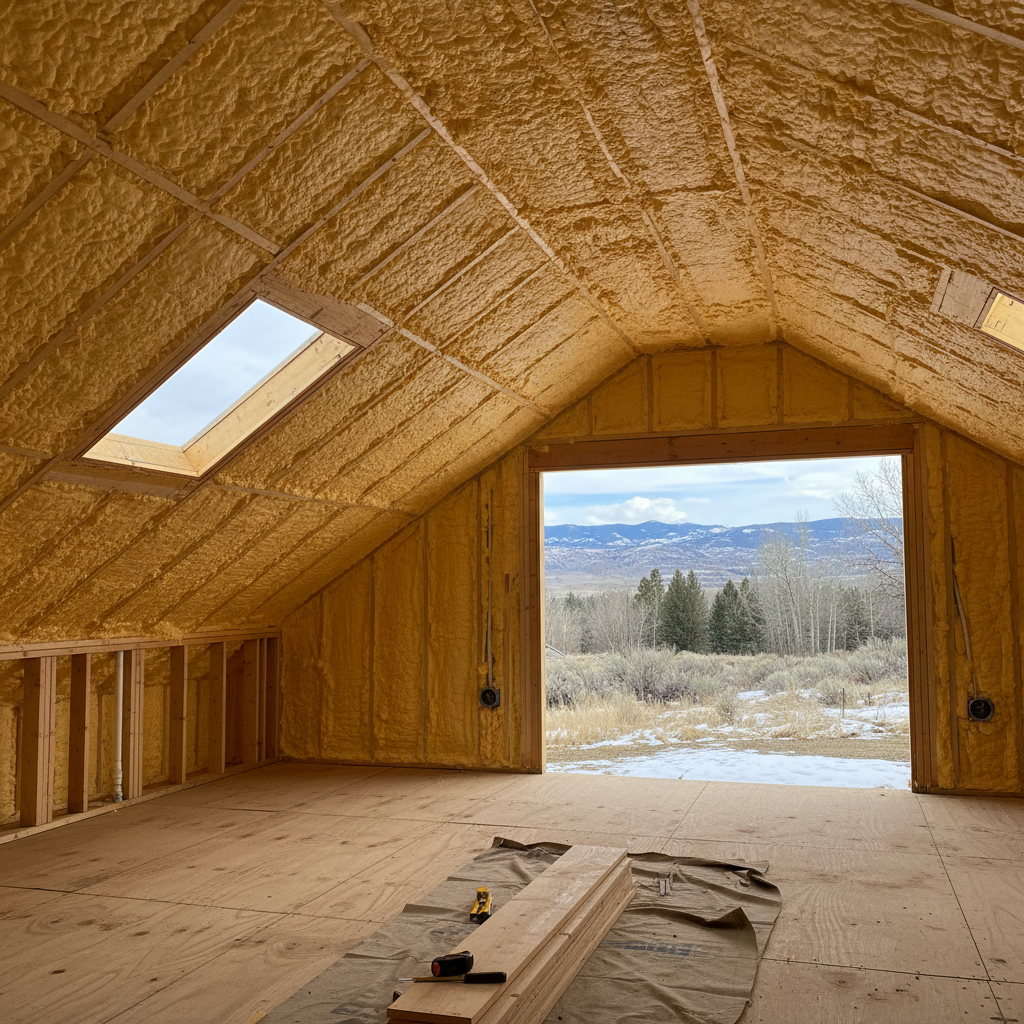
You're looking at closed-cell spray foam for your home, and that's a smart move. It's a fantastic product, especially for our climate here in Eagle. But folks often ask me about the best time to get it installed, or if the weather matters. The short answer is: yes, it absolutely matters. Let me break down what I've seen over the years and how we handle it at Aim High Insulation.
Timing Your Closed-Cell Spray Foam Installation
When's the best time to schedule? Honestly, we can install closed-cell spray foam pretty much year-round, but there are definitely ideal windows. Spring and fall are usually the easiest. The temperatures are mild, and we don't have to fight extreme heat or cold. This makes for a more comfortable working environment for my crew, and it means the product cures exactly as it should without any extra fuss.
Summer can work, but those triple-digit days we get in July and August can be tough. We'll often start earlier in the morning to beat the worst of the heat. Winter's fine too, but we need to make sure the surfaces we're spraying are warm enough. If it's too cold, the foam won't adhere or cure properly. We're talking about specific temperature ranges for the substrate and the ambient air, and we've got equipment to monitor all that. We might use temporary heaters in a crawl space or attic if it's really freezing outside, just to get things to spec.
Weather Conditions That Affect the Work
Beyond just temperature, there are a few other weather conditions we keep a close eye on:
- Moisture: This is a big one. You can't spray closed-cell foam onto wet surfaces. If you've got a leaky roof or condensation issues, we need to address those first. The foam won't stick right, and you'll end up with problems down the road. We always check for moisture before we start.
- Wind: For exterior applications, or if we're working in an open area like a garage or a new construction site before the walls are up, heavy wind can be a real pain. It can blow the foam off target, create overspray issues, and just generally make a mess. We try to schedule around really windy days if possible, or put up temporary barriers.
- Humidity: While not as critical as direct moisture, extremely high humidity can sometimes affect cure times. It's usually not a deal-breaker for closed-cell foam, but it's something our guys are aware of.
We're pretty good at adapting, but sometimes Mother Nature just says no. If we have to reschedule because of weather, it's always for the quality of your installation. We'd rather wait a day than do a job that isn't perfect.
Protecting Your Investment Year-Round
Once your closed-cell spray foam is in, it's a remarkably durable product. It's going to seal your home tight, keep those utility bills down, and make your living spaces much more comfortable. But like any investment, a little awareness goes a long way.
Here's what I tell folks:
- Don't mess with it: Unless you know what you're doing, don't try to cut into it or modify it. If you need to run new wiring or plumbing through an insulated area, give us a call. We can advise you or even come out and make the necessary adjustments properly.
- Keep an eye out for leaks: While the foam itself is a fantastic air and moisture barrier, it can't stop a plumbing leak or a roof leak that starts somewhere else. If you notice water stains on your ceiling or walls, get it checked out immediately. Water damage can compromise any insulation, even spray foam, if it's left unaddressed.
- Ventilation is still key: Especially in places like crawl spaces or attics where we've sealed everything up tight, proper ventilation for things like exhaust fans (bathroom, kitchen) is crucial. You've made your home airtight, which is great for energy efficiency, but it means you need to manage indoor air quality effectively. Make sure those vents are clear and working right.
We've done a lot of work in places like the Legacy neighborhood, and whether it's a new build or an older home, closed-cell spray foam makes a huge difference. It's not just about keeping warm in the winter or cool in the summer; it's about creating a more durable, healthier home environment. If you've got questions about your specific project, don't hesitate to give us a shout. We're here to help you get it right the first time.