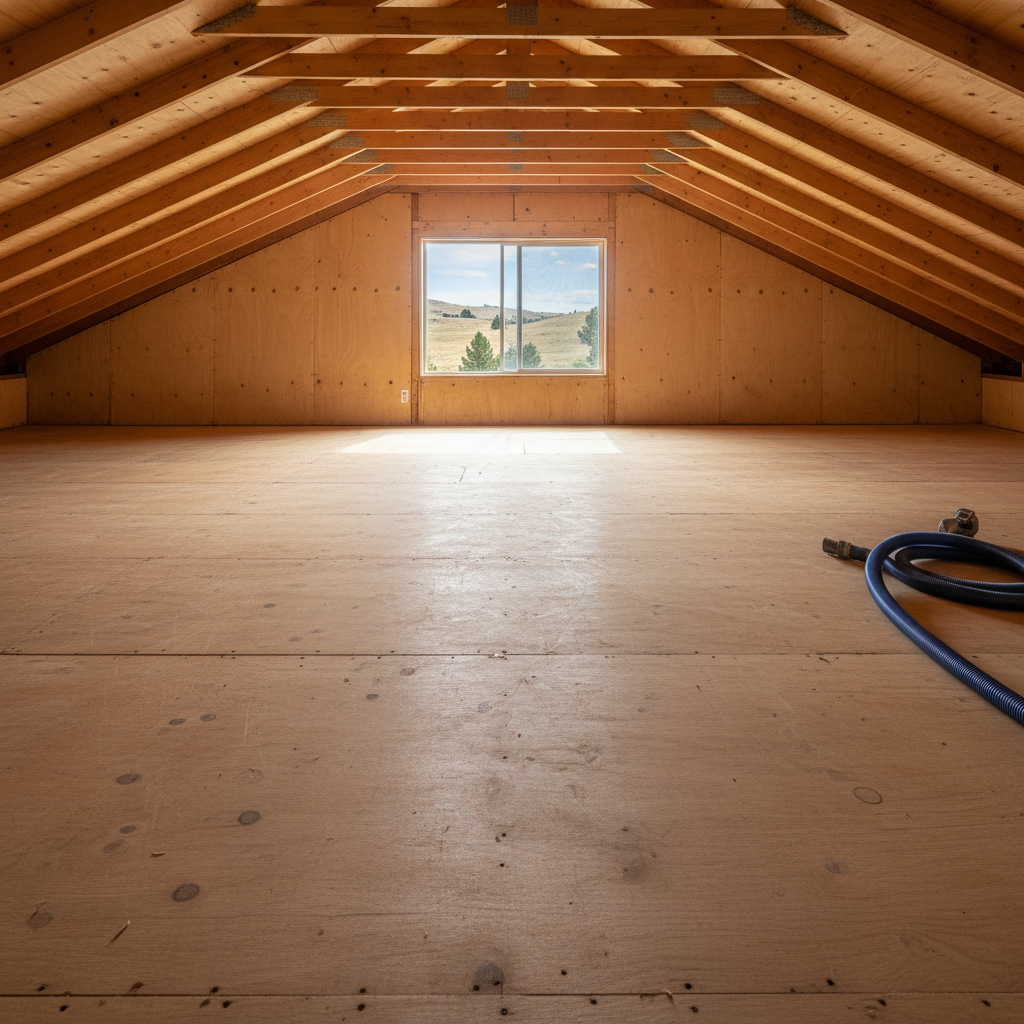
So, you've gone through the trouble of getting your old, damaged insulation removed. Maybe it was full of pests, water-damaged, or just plain old and ineffective. Whatever the reason, you've made a smart move for your home's health and efficiency. But the job isn't truly done once the new insulation is in. You've got to protect that investment. Here's what I tell folks around Eagle about keeping their insulation in top shape and what to watch out for.
Extending the Life of Your Insulation Work
Once we've cleared out the old stuff and put in the new, you want that to last. The biggest threats to insulation here in Idaho are moisture and pests. Our winters can be brutal, and while Eagle doesn't get as much snow as up in the mountains, we still deal with plenty of freeze-thaw cycles and potential for ice dams if your attic isn't properly vented. Pests, well, they're everywhere, and they love a cozy attic.
To really extend the life of your insulation, you've got to address the root causes of damage. If we removed insulation because of a leaky roof, get that roof fixed. Don't just patch it; make sure it's solid. If rodents were the problem, you need to seal up entry points. We do our best to identify these things during the removal process, but it's on you to follow through. A little caulk and some steel wool can go a long way in keeping critters out of your attic or crawl space.
Proper ventilation is also key. Especially in attics. Good airflow helps prevent moisture buildup, which can lead to mold and reduce your insulation's effectiveness. It also helps regulate temperature, making your HVAC work less and preventing those nasty ice dams we sometimes see on homes in the Legacy or Two Rivers neighborhoods.
Regular Maintenance: What You Can Do
You don't need to be up in your attic every weekend, but a quick check-up once or twice a year can save you a lot of headaches and money down the road. I usually recommend doing it in the spring after the snow melts and again in the fall before winter really sets in.
- Visual Inspection: Grab a flashlight and take a look. Are there any obvious signs of disturbance? Flattened insulation, dark spots, or trails could mean trouble.
- Check for Leaks: Look for water stains on the wood or insulation itself. These are usually signs of a roof leak or a plumbing issue. Catching these early is huge.
- Pest Patrol: Keep an eye out for droppings, nests, or chewed-up material. If you see signs of mice, rats, or even insects like wasps, it's time to act.
- Ventilation Check: Make sure your attic vents aren't blocked by insulation or debris. Good airflow is critical.
It's simple stuff, but it makes a difference. Think of it like changing the oil in your car; a little preventative care goes a long way.
Warning Signs of Problems
Your house will tell you when something's wrong if you know what to listen for. Don't ignore these signals:
- Spiking Energy Bills: If your heating or cooling costs suddenly jump without a change in usage or weather, your insulation might not be doing its job.
- Uneven Temperatures: Are some rooms much colder or hotter than others? That's a classic sign of insulation issues.
- Drafts: Feeling cold air near interior walls or ceilings? Could be gaps in your insulation or air leaks.
- Musty Odors: A persistent musty smell, especially in your attic or crawl space, often points to moisture and potential mold growth.
- Pest Noises: Scratching, scurrying, or chirping sounds coming from your walls or ceiling are a dead giveaway that you've got unwelcome tenants.
- Sagging Ceilings or Walls: In extreme cases, prolonged moisture damage can affect your drywall or plaster.
Any of these signs means it's time to investigate further. Don't just hope it goes away.
When to Call a Professional
Look, I'm a big believer in DIY when it makes sense, but some jobs are just better left to the pros. If you see any of the serious warning signs I just mentioned, or if you're not comfortable getting into your attic or crawl space, that's when you call someone like us at Aim High Insulation.
Specifically, you should call us if:
- You find significant water damage or mold. This isn't just an insulation problem; it's a health hazard.
- You have an active pest infestation that you can't get rid of yourself. They can do a lot of damage quickly.
- You suspect a major air leak that's beyond a simple caulk job. We've got the tools to find those hidden leaks.
- Your energy bills are consistently high despite your best efforts. We can assess your entire insulation system.
- You're just not sure what you're looking at. It's always better to be safe than sorry.
We're here to help you keep your home efficient and comfortable. Don't hesitate to reach out if you've got questions or need a hand. Taking care of your insulation means taking care of your home, and that's something we can all agree on.