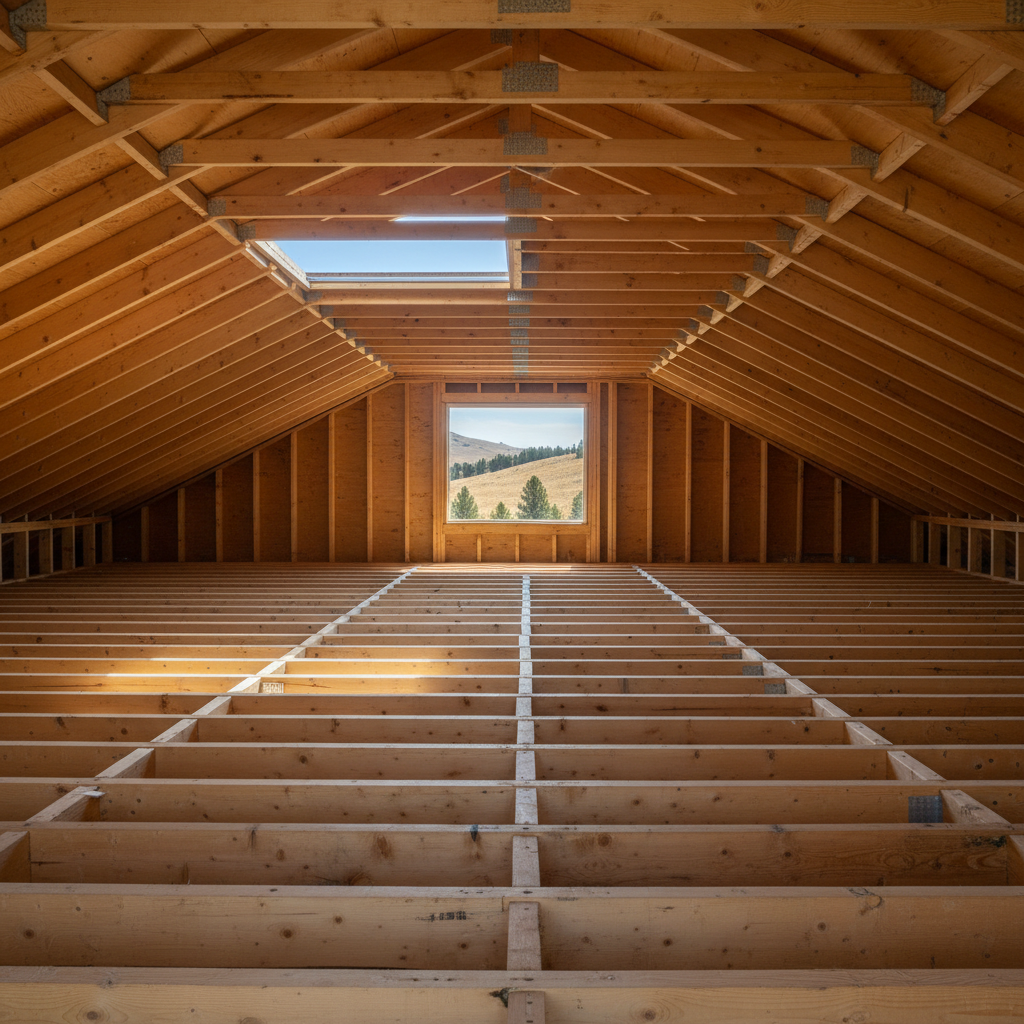
Pulling out old, damaged, or sagging insulation is a difficult task, but sometimes it is the only way to fix a bigger problem. If you live around Eagle and you are dealing with rodent damage, severe moisture from a roof leak, or heavy smoke odor, that old material has to go before you can start fresh. Aim High Insulation gets asked about pricing all the time, so let us walk through what the numbers actually look like in the Treasure Valley.
Typical Cost Ranges in Eagle
Most professional insulation removal in our local area runs between $1.25 and $3.00 per square foot for standard attics. If you have a modest 1,200-square-foot ranch-style home, you are generally looking at a bill between $1,500 and $3,500 just for the extraction and disposal. For a larger two-story house with 2,500 square feet of attic space, prices frequently land anywhere from $3,200 to $7,500. Wall or crawl space removal usually costs more because the labor is much harder, often pushing past $4,000 depending on accessibility.
What Actually Drives the Price Up?
Not all insulation removal jobs are created equal, and a few specific factors will move your estimate up or down:
- Material Type: Blown-in cellulose and loose-fill fiberglass pull up easily through a commercial vacuum hose. Wet cellulose or packed-down batts take much longer to break apart by hand.
- Contamination Level: If local mice have turned your attic into a highway, expect to pay extra for HEPA vacuuming, bio-wash sanitization, and safety gear. Clean material is cheap to pull; biological waste changes the labor category entirely.
- Access Points: A tiny 22x22-inch hallway ceiling hatch makes hauling equipment and waste through your living space a major chore compared to having a full-size garage gable vent or direct exterior access.
What Should Be Included in Your Quote?
A legitimate contractor will not hit you with hidden line items halfway through the morning. When you look at an estimate, make sure it explicitly covers the physical extraction using a specialized gas-powered vacuum, heavy-duty disposal bags or a containment trailer, cleanup of stray debris in the living quarters, and full hauling fees to the local dump. If sanitization or minor air sealing prep is required, that needs to be itemized clearly before work begins.
How to Avoid Overpaying
The easiest way to lose money on this type of work is accepting a vague over-the-phone guess. Always demand an on-site walkthrough. If a company quotes you a flat rate without poking their head into your attic to check the depth, moisture levels, and joist spacing, run the other way. Get at least two separate bids, and make sure you understand whether you are paying for just the removal or a complete removal-and-replacement package. Doing your homework up front keeps your project on budget and ensures your home stays protected through every season here in the Idaho foothills.