So, you're thinking about an insulation removal project for your place here in Eagle. Maybe the old stuff is damaged, or it's just not doing its job anymore. Whatever the reason, pulling out old insulation isn't a small task, and you probably want a clear picture of what's involved. I've seen plenty of these projects over the years, and here's how I usually explain it to homeowners.
Mapping Out Your Insulation Removal Timeline
People always ask me, "How long will this take?" Good question! The honest answer is, it really depends on a few things: how much insulation you've got, what kind it is, and how easy it is to get into the space. Are we talking about a small attic, or a whole house with multiple crawl spaces?
Generally, for a standard attic insulation removal in an Eagle home, you're looking at anywhere from half a day to a full day. Bigger or trickier jobs might stretch to a day and a half. If we're tackling a full house – attic, walls, crawl space – that could take two or even three days. It's rarely a week-long ordeal, though. We try to work efficiently so you can get back to normal life as quickly as possible.
What Happens on Project Day?
Alright, so you've signed the contract, and we've got a date. What's it like when the crew shows up? First off, we protect your home. We lay down tarps, especially in high-traffic areas and around the access points. We really don't want to track any dust or debris through your house; we're pretty careful about that.
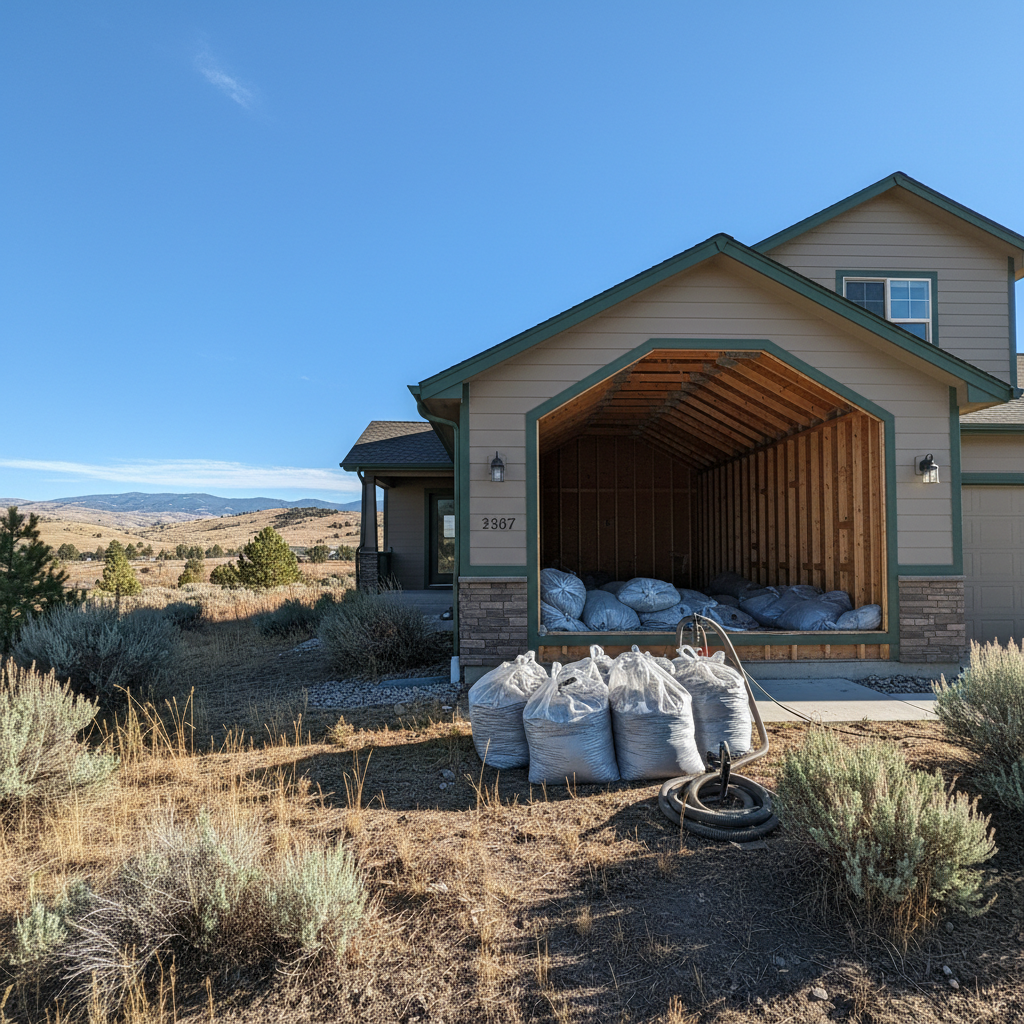
Then, the real work begins. We use specialized, powerful vacuums with long hoses that run from the attic or crawl space, usually out to a truck or a large collection bag parked outside. This keeps all the old, dirty insulation contained. Our crew gets into the space – whether it's an attic, wall cavity, or crawl space – and systematically vacuums out all the old material. This includes things like old fiberglass batts, blown-in cellulose, or even vermiculite if it's there (which, by the way, needs special handling).
It's a dusty, noisy job, no two ways about it. That's why we use those big vacuums and why our guys wear respirators and protective gear. You'll definitely hear the vacuum running, and there'll be some foot traffic. We're not just pulling out the bulk; we're trying to get it as clean as possible, especially if you're planning on putting in new insulation right after. Sometimes, if there's a lot of debris or animal droppings, we might even do a light vacuuming of the surfaces once the insulation is gone.
How to Get Your Home Ready
You don't need to do a ton, but a little prep on your end can make things smoother for everyone. Here's what I recommend:
- Clear the Path: If we're going through your house to get to an attic hatch, make sure the hallway is clear. Move any fragile items or furniture that might be in the way.
- Protect Valuables: Cover up anything in the immediate vicinity of the access point that you don't want getting dusty. Even with tarps, dust can be sneaky.
- Turn Off HVAC: If we're working in the attic, it's a good idea to turn off your heating or AC system for a few hours. You don't want old insulation dust getting pulled into your ducts, do you?
- Pets and Kids: It's best if pets are secured or not home during the main removal process. Same goes for little ones. It's noisy and dusty, not a great environment for them.
- Access: Make sure we know where the attic hatch or crawl space entry is. If it's in a closet, clear it out.
Questions to Ask Before You Sign
Before you commit to any contractor, make sure you're comfortable with what they're offering. Don't be shy about asking questions. Here are a few I'd hit them with:
- What's included in the price? Is it just removal, or does it also cover disposal fees? Are there any hidden charges?
- How do you protect my home? Ask about their dust control and how they protect your floors.
- What kind of equipment do you use? You want to hear about powerful vacuums and proper filtration.
- What's your plan for disposal? Where does all that old insulation go? Responsible disposal matters.
- Do you offer any guarantees on cleanliness or completeness? You want to know they'll get it all out.
- What's your experience with homes like mine in Eagle? For instance, if you've got an older home in the Legacy neighborhood with some tight attic spaces, you want to know they're used to that kind of challenge.
- Are you licensed and insured? This is a big one. Don't work with anyone who isn't.
- What's the process if you find something unexpected, like pests or mold? You need to know how they handle surprises.
Look, insulation removal is a dirty job, but it's often a necessary first step towards a more comfortable, energy-efficient home. When Aim High Insulation handles a removal, we make sure you know exactly what to expect. We aim to make the process as clean and hassle-free as possible for you. Do your homework, ask the right questions, and you'll be set up for success.