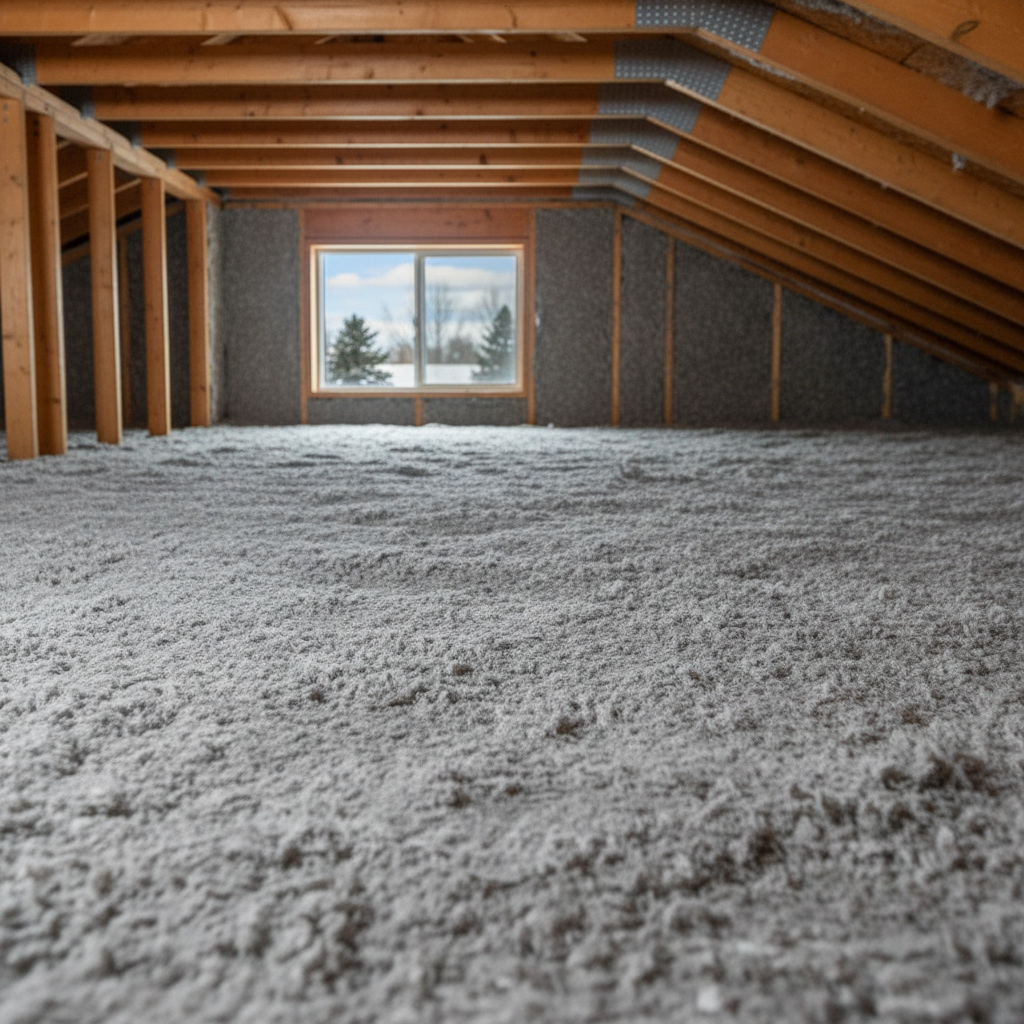
Do I really need to remove my old insulation, or can I just add more on top?
This is probably the most common question I get, and honestly, the answer isn't always a simple yes or no. Look, if your existing insulation is clean, dry, and hasn't settled or been messed with, sometimes you can just add new insulation right on top. That's often the cheapest, quickest way to boost your R-value, no doubt. But here's the thing: if it's wet, moldy, has animal droppings, or is just completely degraded and falling apart, you absolutely need to get it out of there. You really don't want to trap moisture, mold, or pest waste under new insulation. That's just asking for bigger problems down the road, like structural damage or health issues for your family. Think of it like painting over peeling paint – it might look okay for a bit, but the underlying problem is still there and will eventually show through, right?
What kind of problems can old insulation cause if I don't remove it?
Plenty, unfortunately. First off, if it's wet, you're looking at potential mold and mildew growth. That's not just stinky; it can cause respiratory problems, especially for kids or anyone with allergies. Then there's pest contamination. Rodents, bats, birds – they just love attics and crawl spaces. They nest, they breed, and they leave behind droppings and urine. This stuff carries diseases and can attract even more pests. Plus, all their activity can compress and damage the insulation, making it useless. Old, settled insulation also loses its R-value, meaning it's not doing its job anymore. You're basically paying to heat and cool the outside world. And sometimes, especially in older homes around Eagle, you might have old insulation that contains asbestos or vermiculite. If that's the case, you definitely don't want to disturb it without professional help, and removal is usually the safest bet.
Is insulation removal a DIY job, or should I hire a pro?
Honestly, for most folks, this isn't a DIY job. I've seen homeowners try it, and it usually ends up being a huge mess. It takes way longer than they expected, and they often don't get it all out properly. You're dealing with dust, fibers, potential allergens, and sometimes hazardous materials. You need proper safety gear – respirators, full body suits, eye protection – and specialized equipment like powerful vacuums with HEPA filters to contain the mess and prevent it from spreading throughout your house. Plus, disposing of contaminated insulation isn't as simple as tossing it in your regular trash. There are regulations for that, believe it or not. When you hire a company like Aim High Insulation, we've got the gear, the training, and the experience to do it safely, efficiently, and thoroughly. We'll make sure your house stays clean and the old stuff is disposed of correctly.
How long does insulation removal usually take?
That really depends on a few things: the size of the area, the type and amount of insulation, and how accessible it is. A small attic with blown-in cellulose might take us just a few hours. A large, complex crawl space with batts that are stuck to the joists, or an attic that's packed with decades of old blown-in material and has tight access points, could take a full day or even two. We always give you an estimate after we've had a look. We work hard to be efficient, but we won't cut corners just to finish fast. Getting it all out properly is the priority.
What's the typical cost for insulation removal in Eagle, ID?
Pricing varies a lot, just like the time it takes. It's usually based on the square footage of the area, the depth and type of insulation, and any complications like pest contamination or difficult access. For example, removing old, matted fiberglass batts from a tight crawl space is generally more labor-intensive than vacuuming out loose-fill cellulose from an open attic. We also factor in disposal fees, which can add up, especially for large volumes. Because every job is unique, I can't give you a blanket number here. The best thing to do is have us come out for a free inspection and quote. We'll give you a clear, itemized breakdown so you know exactly what you're paying for. We're always upfront about costs; no hidden fees.
What happens after the old insulation is removed?
Once we've got all the old stuff out, we'll do a thorough cleanup. This often includes vacuuming up any remaining debris. If there was pest contamination, we might recommend sanitizing and deodorizing the area to kill bacteria and eliminate odors. We'll also inspect the area for any damage that might have been hidden by the old insulation, like chewed wires, damaged ductwork, or structural issues. This is a great time to address those problems before new insulation goes in. Then, we can discuss your options for new insulation. We'll help you choose the right type and R-value for your Eagle home, considering our hot summers and cold winters, and get it installed so your home is comfortable and energy-efficient again. Sometimes, especially in older homes that might have been built before modern building codes, we might even find things like inadequate ventilation, which we can also help you address while the space is open.
Will removing insulation make my house really cold/hot in the meantime?
It can, yes. If we're removing insulation from your attic, for example, and it's the dead of winter or the peak of summer, you'll definitely notice a difference in the temperature inside your home. Heat transfer will be much quicker without that thermal barrier. That's why we try to schedule removal and re-installation as close together as possible, often on the same day or consecutive days. We work efficiently to minimize the time your home is exposed. If there's a gap between removal and new installation, we'll talk through what to expect and how to manage it, like adjusting your thermostat or using space heaters/fans in certain areas. We always aim to make the process as comfortable for you as possible.