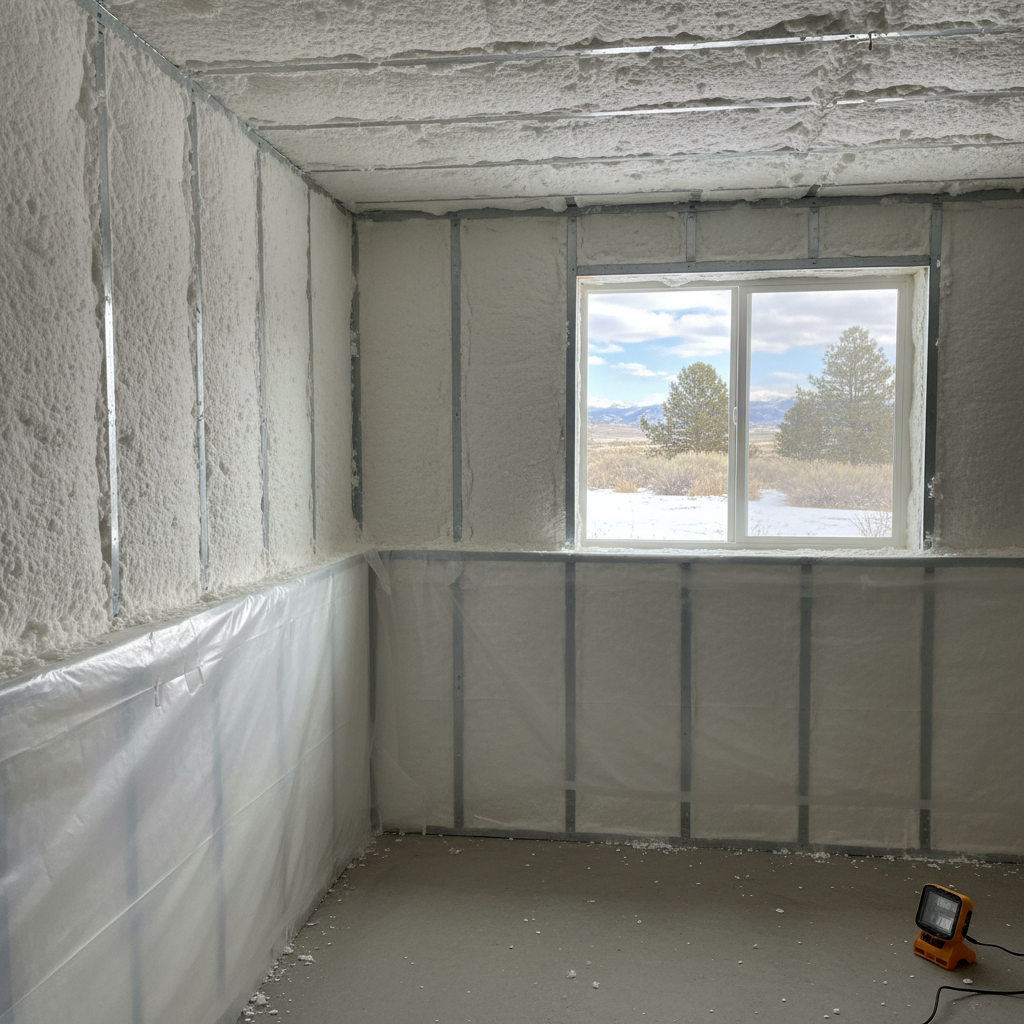
Think your basement insulation is a set-it-and-forget-it deal? Not quite. While good insulation, especially something like closed-cell spray foam, is built to last, a little attention goes a long way. We get some pretty wild temperature swings here in Eagle, from scorching summers to those deep, cold winters. Your basement's insulation is your first line of defense against that, and keeping it healthy means a more comfortable home and lower energy bills for you.
Extending Your Insulation's Lifespan
You've invested in insulating your basement, so let's talk about how to make sure it lasts as long as possible. The biggest enemy of insulation is moisture, hands down. Whether it's fiberglass, mineral wool, or spray foam, excessive moisture can compromise its effectiveness and lead to bigger issues. So, the first step is always good moisture control.
- Keep Water Out: This sounds obvious, but it's critical. Check your gutters and downspouts. Make sure they're clean and directing water at least five feet away from your foundation. I've seen too many homes, even newer ones in places like Legacy or Mace River Ranch, where clogged gutters cause water to pool right against the foundation. That's just asking for trouble.
- Manage Interior Humidity: Basements can get damp, especially in spring and fall when the ground is wet. A good dehumidifier can make a huge difference. Aim for humidity levels between 30-50%. This not only protects your insulation but also prevents mold and mildew growth.
- Ventilation Matters: If you've got a finished basement, make sure your HVAC system is properly balanced to circulate air down there. Stagnant, damp air is bad news.
Beyond moisture, protecting your insulation from physical damage is important. If you're storing things in your basement, try not to stack them directly against the insulated walls, especially if it's batt insulation. Give it a little breathing room.
What Regular Maintenance Looks Like
Good news: basement insulation doesn't need daily pampering. A quick check-up a couple of times a year is usually enough. I recommend doing a walkthrough in the spring after the snow melts and again in the fall before the really cold weather hits.
- Visual Inspection: Walk around your basement. Look at the insulated walls and rim joists. Do you see any obvious gaps, tears, or sagging? For spray foam, it should look continuous and well-adhered. For batt insulation, it should be fluffy and filling the cavity without compression.
- Check for Damp Spots: Feel the walls. Are there any cold or damp spots? This could indicate a moisture issue or a breach in your vapor barrier.
- Look for Pests: Rodents love to nest in insulation, especially fiberglass. Look for droppings, chewed material, or tunnels. If you see signs of pests, you'll need to address that immediately.
- Monitor for Mold: Any black, green, or white fuzzy spots are a red flag. Mold means moisture, and it needs to be dealt with quickly.
If you've got a finished basement, these checks might be harder. That's where paying attention to your senses comes in. Any musty smells, sudden cold spots, or unexplained increases in your energy bill could point to an insulation problem behind the walls.
Warning Signs of Problems
Your house usually tells you when something's wrong. Here are some key indicators that your basement insulation might be failing or compromised:
- Drafts or Cold Spots: If you feel cold air coming from your basement walls or floor, or if certain areas of the basement are significantly colder than others, your insulation might not be doing its job.
- Increased Energy Bills: A sudden spike in heating costs, especially if your thermostat settings haven't changed, can often be traced back to poor insulation performance.
- Musty Odors: That classic damp basement smell often means moisture is getting in and potentially affecting your insulation. This is a big one to watch out for.
- Visible Mold or Mildew: As I mentioned, any visible growth on walls, floors, or stored items in your basement is a clear sign of a moisture problem that's likely impacting your insulation.
- Pest Infestations: If you're finding more mice or insects in your basement than usual, they might be finding easy access through damaged insulation or gaps.
- Sagging or Gaps in Insulation: If you have exposed batt insulation, look for areas where it's pulled away from the joists or walls, or where it looks compressed and thin.
When to Call a Professional
Sometimes, DIY fixes just aren't enough, or the problem is too big to tackle yourself. That's when you should definitely reach out to an expert. Don't hesitate if you notice:
- Persistent Moisture Issues: If you've tried to control humidity and water intrusion but still have dampness or pooling water, you've got a bigger problem than just insulation. You might have foundation cracks or drainage issues that need professional assessment before any insulation work can even begin.
- Widespread Mold Growth: Small spots you can clean, but if mold is extensive or keeps coming back, it's a health hazard and needs professional remediation. You can't just insulate over mold.
- Significant Pest Damage: If rodents have made a home in your insulation, it often needs to be removed and replaced after the pest issue is fully resolved.
- Major Insulation Damage: If large sections of your insulation are missing, torn, waterlogged, or heavily compressed, a professional can assess the best way to repair or replace it.
- Unexplained High Energy Bills: If you've checked everything else and your energy bills are still through the roof, an insulation audit can pinpoint where your home is losing heat. We do these kinds of assessments at Aim High Insulation all the time.
Keeping an eye on your basement insulation isn't a huge chore, but it's a smart move for any homeowner in Eagle. A little proactive care can save you a lot of headaches and money down the road. If you're ever unsure about what you're seeing, or if you suspect a bigger problem, give us a call. We're always happy to take a look.