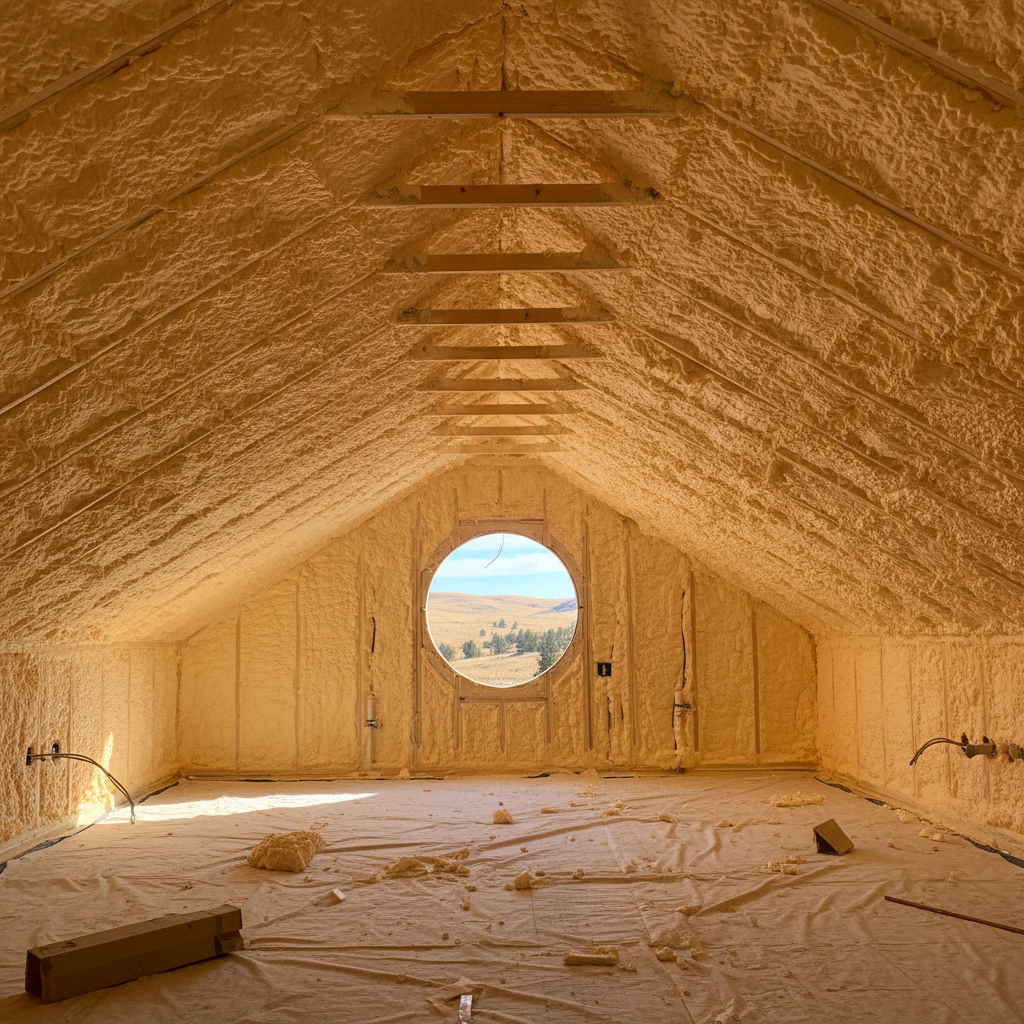
Alright, so you're thinking about closed-cell spray foam for your place here in Eagle. Good call. It's a fantastic product for energy efficiency, especially with our hot summers and chilly winters. But like any big home improvement, it's not something you just jump into blindly. You need a plan. Here's what I usually tell folks about getting ready for a spray foam project.
Setting Your Project Timeline
Don't expect to call a contractor today and have foam in your walls tomorrow. That's just not how it works, and honestly, you wouldn't want it to. A good spray foam project takes some thoughtful planning, and you'll want to factor in a few things.
- Initial Consult & Quote: This is step one. We'll come out, take a look at your space – maybe it's an attic, a crawl space, or new construction walls – and chat about what you're trying to achieve. Getting a detailed quote can take a few days after our visit, especially if there are tricky areas or specific R-value requirements to figure out.
- Scheduling: Once you've picked your contractor (we hope it's us at Aim High Insulation!), you'll need to get on their schedule. Depending on the time of year, this could be anywhere from a couple of weeks to a month or even more out. Spring and fall are usually pretty busy, just so you know.
- Prep Time: You'll have some work to do before we even show up. We'll talk about that in a minute, but set aside a few days for you to get things cleared out.
- Installation: The actual spray foam application itself is usually pretty quick. For a typical attic or crawl space, we're often in and out in a day or two. Larger projects, like an entire new build, might take a few days.
- Cure Time: Spray foam cures fast, but you'll want to give it a little time before you're hanging out in the newly foamed area. We'll let you know the exact timeframe, but usually, it's just a matter of hours.
All told, from your first call to a completed, cured project, you're probably looking at a 3-6 week window. Don't try to rush it.
What to Expect During the Process
When the crew shows up, they're going to be geared up. Literally. Spray foam application isn't a casual job. There's specialized equipment, and the guys will be wearing respirators and protective suits. This isn't because the foam is dangerous once it's cured, but because the chemicals are reactive during application. It's all about safety, plain and simple.
You'll hear some noise – the pumps and spray guns aren't silent, after all. There will also be a distinct odor during and immediately after application. People usually describe it as a chemical smell, and it dissipates quickly once the area is ventilated. We'll make sure the area is properly ventilated during and after the work. We're not just spraying and leaving; we're making sure it's safe for you to return.
Expect us to protect your home. We'll lay down drop cloths, tape off areas, and generally treat your place with respect. We're not just spraying foam; we're working inside your home.
How to Prepare Your Home
This is where you come in. Your prep work makes a huge difference in how smoothly the project goes and how clean your home stays.
- Clear the Area: If we're working in your attic, clear out anything you don't want covered in overspray or that's in the way. Boxes, old holiday decorations, whatever. Get it out. For crawl spaces, remove any stored items. If it's walls, move furniture away from the work area.
- Protect Valuables: Even with the best precautions, overspray can happen. If you have anything irreplaceable or precious nearby, move it to another room or cover it thoroughly.
- HVAC Systems: We'll need to make sure your HVAC system isn't pulling air from the work zone during application. Sometimes this means turning it off or sealing off vents temporarily. Your contractor will guide you on this.
- Pets & People: This is a big one. You, your family, and especially your pets, should not be in the house during application and for a few hours afterward. The chemicals are airborne during the spray, and it's just not safe. Plan for a day out – maybe visit family, go to the park, or grab lunch in downtown Eagle.
- Access: Make sure we have clear, easy access to the work area. Don't make us play Tetris with your garage storage, okay?
Questions to Ask Before You Sign
Before you commit, you've got to ask the right questions. Don't be shy.
- What's the exact R-value you're proposing, and how many inches will that be? Make sure it meets or exceeds local building codes and your energy goals.
- What's your process for protecting my home from overspray? Get specifics.
- How do you handle ventilation during and after the spray? This is crucial for safety and odor dissipation.
- What's the cleanup process like? We'll leave your place tidy, but it's good to know what that entails.
- What's the warranty on the product and your workmanship? You want guarantees.
- Are you licensed and insured for this type of work in Idaho? Always, always ask this.
- Can you provide references from other homeowners in Eagle or the Treasure Valley? Hearing from past customers is a great way to gauge reliability.
Doing your homework now will save you headaches later. A closed-cell spray foam project is a big investment, and you want it done right. If you've got more questions, or you're ready to get a quote, give us a call. We're here to help Eagle homeowners make smart choices.