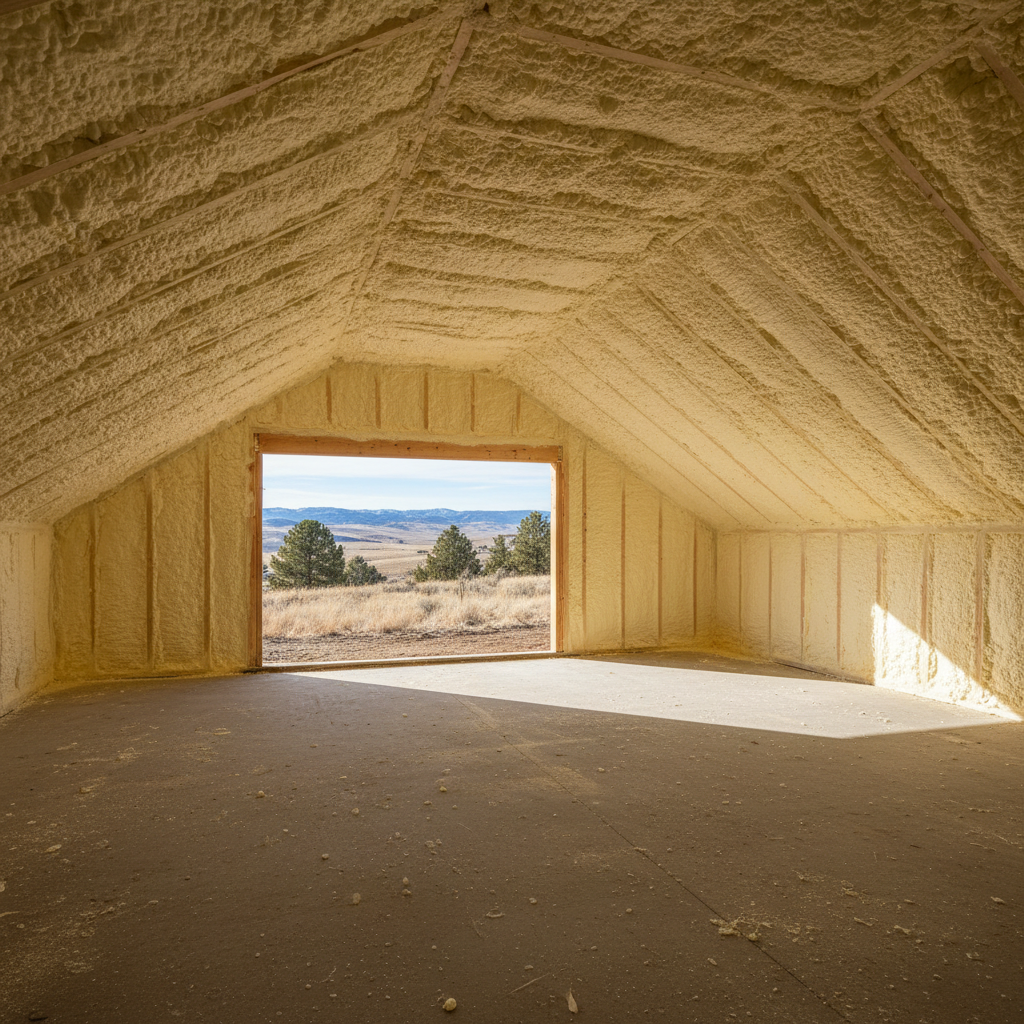
Getting Your Home Ready for Closed-Cell Spray Foam in Eagle
So, you're thinking about closed-cell spray foam for your Eagle home. Smart choice, really, for keeping things energy-efficient and comfy, especially with our scorching summers and those surprisingly nippy winters out here. But hold on a sec before you dive in. You need to know what's coming. This isn't just slapping on a coat of paint, you know? It's a whole different ballgame. I'll walk you through the whole process: the timeline, what happens on the big day, how to prep your place, and the key questions to ask any contractor. No surprises, I promise.
The Timeline: From Your First Call to the Finish Line
Alright, let's talk about how long this all takes. It's not an overnight job, and honestly, that's usually a good sign. A good contractor won't rush you, or themselves for that matter.
- First Chat & Consultation (About 1-2 weeks): You give us a call, or maybe another reputable company. We'll set up a time to swing by and check out your space—could be an attic, a crawl space, or even a brand-new build. We'll chat about what you're hoping to achieve, size up the area, and measure everything carefully. After that, we'll put together a super detailed quote just for you.
- Reviewing the Quote & Making a Decision (Another 1-2 weeks): Don't rush this part. Take your sweet time with the quote. Ask all the questions you have. If you're getting other bids, compare them. Once you've made up your mind, you'll sign a contract and put down a deposit.
- Scheduling the Actual Work (Usually 2-4 weeks out): This is where things can vary a bit. Good spray foam crews are busy, especially when everyone wants work done. Don't expect us to just show up tomorrow. We'll get you on the schedule, usually a few weeks out. This also gives you plenty of time to get your place ready.
- Project Day(s) (1-3 days): This is when the spray foam actually goes on. Most residential jobs wrap up in a day or two, but bigger projects or really tricky ones might take a little longer.
- Curing & Ventilation (24-72 hours after spraying): This step is critical. The foam needs time to cure and release any gases. You absolutely cannot be in the house during this period. We'll get into more detail about that.
What to Expect on Project Day
When our crew rolls up, they'll be ready to get down to business. It's a pretty specialized process, and safety is a huge deal for us.
- Setup & Protection: First things first, we'll protect your home. That means laying down tarps, taping off areas, and covering anything that shouldn't get foam on it. Believe me, spray foam is incredibly sticky, and once it's on something, it's a nightmare to remove.
- Equipment & Noise: There's a big rig involved, usually a truck or trailer packed with all the spray foam gear. It'll be parked outside, running pumps and compressors. Expect it to be noisy, both inside and outside the house.
- The Application: Our crew, wearing full protective gear (think respirators and special suits), will start spraying. You'll see the foam puff up super fast. It looks like controlled chaos, but it's actually very efficient.
- Odor: Yep, there will be a smell during and right after we spray. It's just part of the process. That's why ventilation and allowing enough cure time are so incredibly important.
- Cleanup: Once all the spraying is done, the crew will clean up their equipment and any debris. They'll leave the site tidy, but remember, the house still needs to air out for a while.
How to Get Your Home Ready for Spray Foam
Your prep work makes a huge difference in how smoothly everything goes. Seriously, don't skip these steps:
- Clear the Area: This is probably the most crucial part. If we're spraying your attic, empty it out. Crawl space? Same deal. For walls, push furniture away, take down pictures, and clear out closets in the rooms we'll be working in.
- Turn Off HVAC: Your heating and cooling system needs to be off. You definitely don't want foam getting into your ducts, and you don't want the system pulling in fumes while we're working.
- Secure Pets & Plants: Get your pets out of the house. Board them, take them to a friend's, whatever it takes. Do the same for any indoor plants in the work zone.
- Plan to Be Out: You, your family, and your pets absolutely need to be out of the house for at least 24 to 72 hours after the application. Your contractor will give you the exact timeframe. This isn't something you can negotiate. The curing foam releases fumes, and you really don't want to breathe that in. This is especially true for homes in areas like Legacy, where houses are often built super tight.
- Provide Access: Make sure the crew can easily get to all the work areas. Clear paths, unlock gates if they need to get into a crawl space from outside.
Questions to Ask Before You Sign That Contract
Don't just pick the cheapest bid, okay? Make sure you ask these questions:
- What's your specific experience with closed-cell spray foam? It's different from open-cell or blown-in insulation. You want someone who really knows their stuff.
- Are your applicators certified? They should be trained and certified by the foam manufacturer, no question.
- What's the R-value of the foam you're suggesting, and how thick will it be? Check that it meets or beats local building codes and your energy goals.
- How do you plan to protect my home during application? They should have a clear plan for masking and covering everything up.
- How long do we need to be out of the house after you spray? Get a firm timeframe in writing.
- What exactly does your cleanup include? Will they haul away all the debris, or just their equipment?
- Do you offer a warranty on the product and your workmanship? A good company, like Aim High Insulation, stands behind their work.
- Can you give me references from other homeowners in Eagle? Always a smart move to hear from past customers.
Getting closed-cell spray foam is a big investment, but it's one that really pays off in comfort and energy savings. By knowing what to expect and asking the right questions, you'll ensure a smooth project and a home that's sealed up tight for years to come.